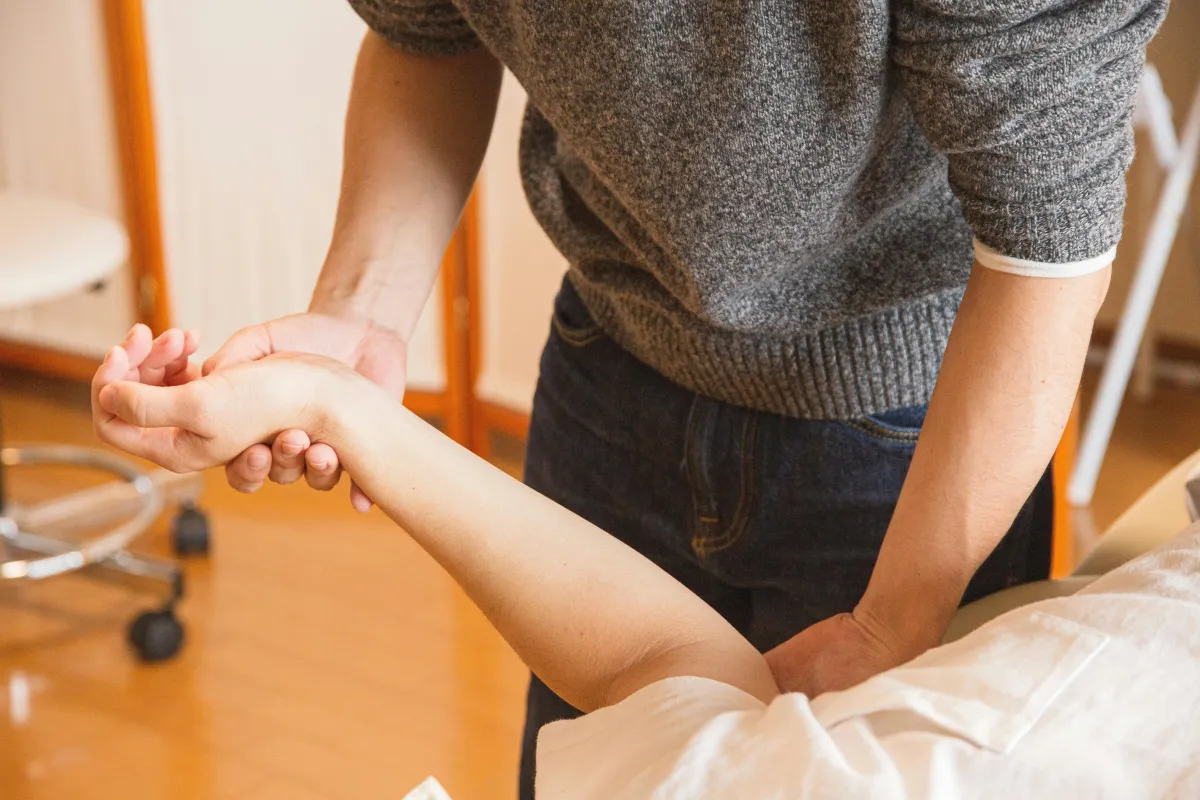
Understanding Elbow Pain in Padel
𝗨𝗻𝗱𝗲𝗿𝘀𝘁𝗮𝗻𝗱𝗶𝗻𝗴 𝗘𝗹𝗯𝗼𝘄 𝗣𝗮𝗶𝗻 𝗶𝗻 𝗣𝗮𝗱𝗲𝗹: 𝗔 𝗣𝗵𝘆𝘀𝗶𝗼𝘁𝗵𝗲𝗿𝗮𝗽𝗶𝘀𝘁'𝘀 𝗣𝗲𝗿𝘀𝗽𝗲𝗰𝘁𝗶𝘃𝗲
As an 𝗲𝗹𝗶𝘁𝗲 𝗽𝗵𝘆𝘀𝗶𝗼𝘁𝗵𝗲𝗿𝗮𝗽𝗶𝘀𝘁 specializing in padel performance, I've seen many athletes struggle with elbow pain. This discomfort isn't just a 𝗯𝗮𝗿𝗿𝗶𝗲𝗿 𝘁𝗼 𝗽𝗲𝗿𝗳𝗼𝗿𝗺𝗮𝗻𝗰𝗲; it can also be a 𝘄𝗮𝗿𝗻𝗶𝗻𝗴 𝘀𝗶𝗴𝗻 of deeper issues within your 𝗯𝗼𝗱𝘆'𝘀 𝗺𝗲𝗰𝗵𝗮𝗻𝗶𝗰𝘀. Let's delve deeper into 𝘶𝘯𝘥𝘦𝘳𝘴𝘵𝘢𝘯𝘥𝘪𝘯𝘨 𝘦𝘭𝘣𝘰𝘸 𝘱𝘢𝘪𝘯 and exploring how 𝘀𝘁𝗿𝗮𝘁𝗲𝗴𝗶𝗰 𝗶𝗻𝘁𝗲𝗿𝘃𝗲𝗻𝘁𝗶𝗼𝗻𝘀 can not only alleviate the pain but also 𝗲𝗻𝗵𝗮𝗻𝗰𝗲 𝘆𝗼𝘂𝗿 𝗼𝘃𝗲𝗿𝗮𝗹𝗹 𝗴𝗮𝗺𝗲.
𝗧𝗵𝗲 𝗥𝗼𝗼𝘁 𝗖𝗮𝘂𝘀𝗲𝘀 𝗼𝗳 𝗘𝗹𝗯𝗼𝘄 𝗣𝗮𝗶𝗻
In padel, the elbow is particularly vulnerable. This sport involves repetitive motions, such as swinging and striking with excessive gripping, which can 𝗼𝘃𝗲𝗿𝗹𝗼𝗮𝗱 the 𝘁𝗶𝘀𝘀𝘂𝗲𝘀 𝗶𝗻 𝘁𝗵𝗲 𝗲𝗹𝗯𝗼𝘄. However, it's 𝗻𝗼𝘁 𝗮𝗹𝘄𝗮𝘆𝘀 𝘁𝗵𝗲 𝗲𝗹𝗯𝗼𝘄'𝘀 𝗳𝗮𝘂𝗹𝘁 when things go wrong. Frequently, elbow pain in padel players results from 𝗶𝗻𝗮𝗱𝗲𝗾𝘂𝗮𝘁𝗲 𝗳𝗼𝗿𝗰𝗲 𝗱𝗶𝘀𝘁𝗿𝗶𝗯𝘂𝘁𝗶𝗼𝗻 throughout the shoulder and the entire kinetic chain, connecting muscles, joints, and connective tissues.
𝗧𝗵𝗲 𝗪𝗵𝗼𝗹𝗲𝗻𝗲𝘀𝘀 𝗖𝗼𝗻𝗰𝗲𝗽𝘁
Think of your arm, shoulder, and torso as parts of one integrated machine. If one part isn't functioning optimally, others will be forced to overcompensate, leading to problems. When we swing the padel racket, immense forces travel through the body. If your shoulder muscles—or any part of the kinetic chain—aren't absorbing and distributing these forces efficiently, the elbow will bear the brunt.
𝗖𝗼𝗺𝗺𝗼𝗻 𝗢𝘃𝗲𝗿𝗹𝗼𝗮𝗱𝗲𝗱 𝗧𝗶𝘀𝘀𝘂𝗲𝘀
The elbow comprises several tendons and muscles, which can become overstressed when they're compelled to handle more load than they're meant to. The common culprits are:
1. 𝗘𝘅𝘁𝗲𝗻𝘀𝗼𝗿 𝗖𝗮𝗿𝗽𝗶 𝗥𝗮𝗱𝗶𝗮𝗹𝗶𝘀 𝗕𝗿𝗲𝘃𝗶𝘀: Often inflamed in tennis elbow, this muscle stabilizes the wrist when the elbow is extended.
2. 𝗙𝗹𝗲𝘅𝗼𝗿 𝗧𝗲𝗻𝗱𝗼𝗻𝘀: These connect the elbow to the forearm muscles, responsible for wrist and finger movements.
These areas become overburdened due to poor kinetic chain mechanics, leading to inflammation and pain, commonly referred to as "tennis elbow," even though the ailment is not restricted to tennis players.
𝗧𝗵𝗲 𝗜𝗺𝗽𝗼𝗿𝘁𝗮𝗻𝗰𝗲 𝗼𝗳 𝘁𝗵𝗲 𝗞𝗶𝗻𝗲𝘁𝗶𝗰 𝗖𝗵𝗮𝗶𝗻
Addressing elbow pain necessitates a 𝘄𝗵𝗼𝗹𝗲-𝗯𝗼𝗱𝘆 𝗮𝗽𝗽𝗿𝗼𝗮𝗰𝗵. Strengthening the entire kinetic chain–from your legs, through your core, and up to your shoulders–is essential. Each link in the chain must be robust to efficiently manage the forces exerted during play. A weakness in one area can lead to compensations elsewhere, commonly resulting in elbow strain.
𝗣𝗿𝗲𝘃𝗲𝗻𝘁𝗶𝘃𝗲 𝗠𝗲𝗮𝘀𝘂𝗿𝗲𝘀
1. 𝗦𝘁𝗿𝗲𝗻𝗴𝘁𝗵𝗲𝗻𝗶𝗻𝗴 𝗘𝘅𝗲𝗿𝗰𝗶𝘀𝗲𝘀: Focus on exercises that enhance shoulder strength through full ranges of motion and muscular endurance. Strength training working both shoulders in varied angles and joint positions such as alternating presses and pulls.
Rotator cuff strengthening and direct elbow strength and endurance should be a priority.
2. 𝗙𝗹𝗲𝘅𝗶𝗯𝗶𝗹𝗶𝘁𝘆 𝗮𝗻𝗱 𝗠𝗼𝗯𝗶𝗹𝗶𝘁𝘆: Regular movement and mobility exercises for the shoulders, wrists, and forearms can help get everything moving efficiently and maintain optimal range of motion and relieve stress on the elbow.
3. 𝗧𝗲𝗰𝗵𝗻𝗶𝗾𝘂𝗲 𝗢𝗽𝘁𝗶𝗺𝗶𝘇𝗮𝘁𝗶𝗼𝗻: Work with a coach to fine-tune your technique, ensuring efficient force mechanics in each stroke.
4. 𝗥𝗲𝘀𝘁 𝗮𝗻𝗱 𝗥𝗲𝗰𝗼𝘃𝗲𝗿𝘆: Allow adequate rest periods between play and training schedules to facilitate tissue recovery.
In conclusion, elbow pain in padel players often stems from a broader issue of kinetic chain inefficiency. By focusing on whole-body mechanics, particularly shoulder and forearm strength, athletes can not only alleviate pain but also enhance their game longevity and performance. Embrace the journey to understanding and optimizing your body's movement patterns, and you'll likely see improvement both in reducing pain and boosting performance.
